Rec00:00:00:00

Imagination, rendered.
Frame 000 / 120

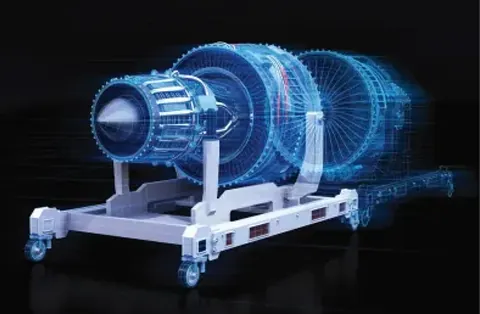
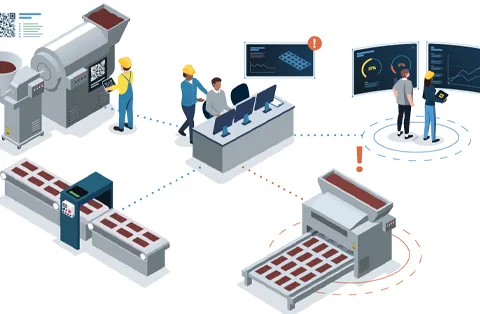
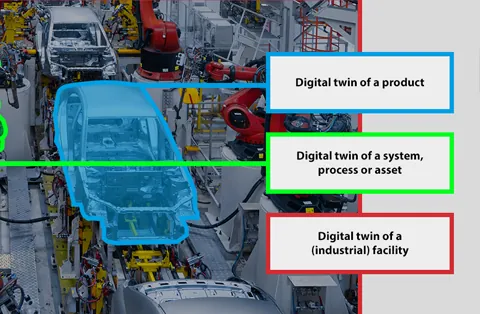
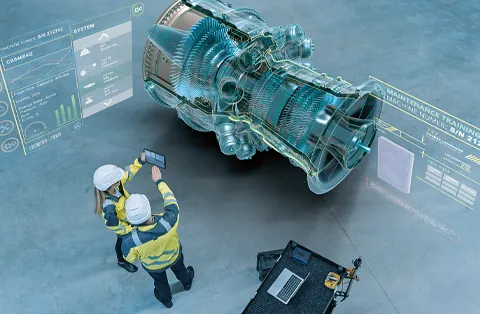
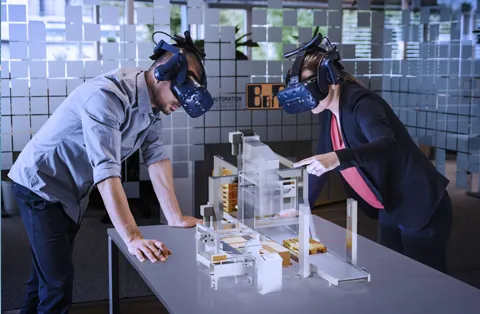
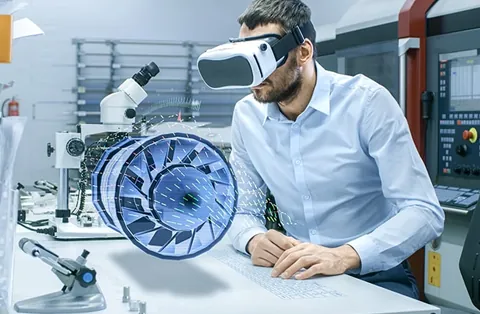


A digital twin is a live, interactive 3D replica of a physical asset — a building, a production line, a machine or an entire campus — that stays connected to real-world data. Instead of reading spreadsheets and dashboards in isolation, your team sees what is happening, and where it is happening, in one visual model.
Adhiverse builds digital twins on real-time engines such as Unreal Engine and Unity. We combine accurate 3D models from CAD, BIM or 3D scans with data from sensors, IoT platforms and business systems. The finished twin runs in a web browser, on large touchscreens or in VR, so operators, engineers and management all work from the same picture.
We agree on the questions the twin must answer, the assets in scope and the data sources available, so the project is built around decisions, not just visuals.
We create the model from CAD, BIM or Revit files, drawings, photogrammetry or laser scans, and optimise it to run smoothly in real time.
We connect live and historical data from IoT sensors, SCADA/PLC systems, ERP/MES platforms or APIs, and map each value to the right object in 3D.
Dashboards, alerts, colour-coded status, layer toggles and what-if scenarios turn raw data into answers your team can act on.
We deploy to web, desktop, touchscreen or VR, train your team, and keep the twin updated as your facility changes.
Monitor production lines, spot bottlenecks and plan layout changes virtually before moving a single machine.
Present projects before they are built, compare construction progress against the BIM model and hand over a living model to facility management.
Bring energy use, occupancy, HVAC and maintenance tickets together in one navigable 3D view.
Visualise plants, pipelines and substations, and rehearse rare or hazardous events safely.
Use product twins for design reviews, dealer and sales presentations, and service training.
Plan hospital layouts and equipment placement, or turn complex systems into interactive learning tools.
Drawings, CAD or BIM files help, but they are not essential — we can also model from site photos, 3D scans or reference images. For live data, most systems that expose an API, database, MQTT, OPC-UA or even CSV exports can be connected.
No. Most digital twins run in a standard web browser on any modern computer. VR headsets and large touchscreens are optional extras for control rooms, presentations or training.
It depends on the size of the asset, the level of detail and the number of data sources. We usually recommend starting with a focused pilot area and expanding from there. You get a clear timeline and quote after the discovery call.
Yes. Twins are built in modules, so new buildings, production lines or data sources can be added over time without starting again.
Your data stays in your systems — the twin only reads what it needs to display. Hosting options are agreed with your IT team during discovery.
