Rec00:00:00:00

Imagination, rendered.
Frame 000 / 120

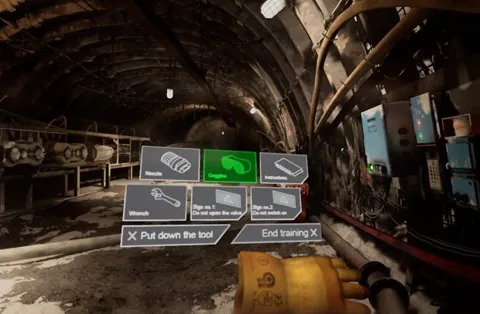
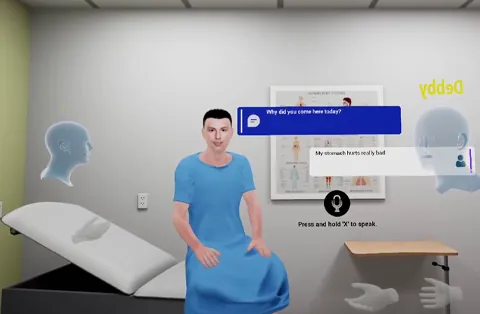
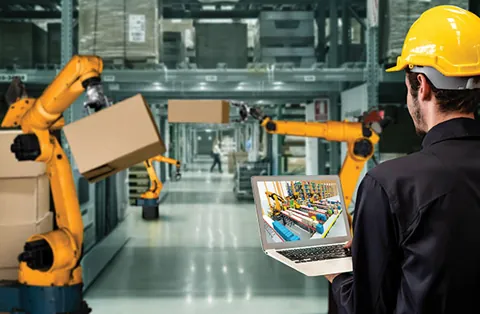
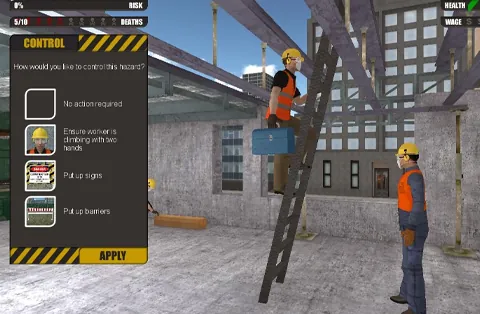
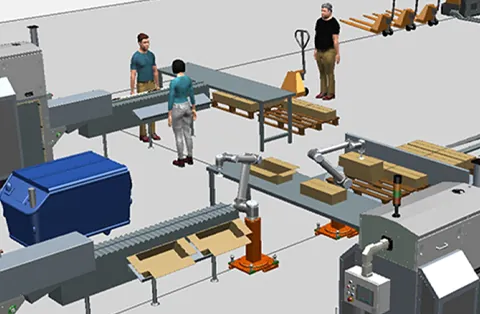
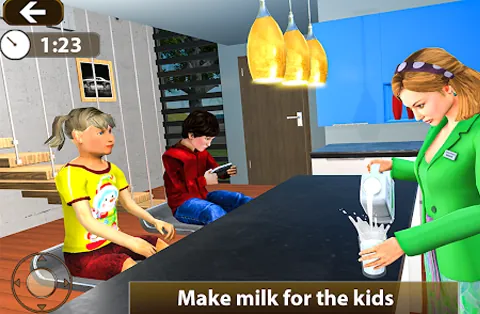


A real-time 3D simulation is an interactive model of a system, process or environment where you can change the inputs and instantly see what happens. It lets teams test layouts, sequences and scenarios virtually — before committing time and money in the real world.
Adhiverse builds simulations on Unreal Engine and Unity for engineering reviews, operations planning, sales demonstrations and training. Simulations run on desktop, large screens or in VR, and can be driven by your own data and rules.
We agree on what the simulation must show, which variables matter and how results will be used.
We build the 3D environment and equipment from CAD files, drawings or reference material.
Physics, process rules, timings and data feeds bring the model to life and make it respond realistically.
Intuitive controls, presets and what-if scenarios let anyone run the simulation, not just specialists.
We review results with your experts, refine, then deploy to the platforms your team uses.
Plan factory layouts and material flow, and visualise robotic cells before installation.
Rehearse construction sequences, crane and logistics plans, and people or traffic flow.
Interactive vehicle demonstrations and in-car interface concepts.
Plant operations and emergency scenarios that are too risky to practise for real.
Virtual labs and experiments that students can repeat as often as they need.
Interactive demos of large or complex machines that you can't bring to an expo.
A simulation models how a system behaves under different conditions. A digital twin is connected to a specific real asset and mirrors its live data. Many projects combine both.
The required accuracy is agreed during discovery. For communication and planning we focus on visual and behavioural realism; where engineering-grade numbers are needed, results from your existing calculation tools can be fed into the simulation.
Yes. Simulations can run on laptops, large touchscreens or VR headsets, which makes them ideal for trade shows and client presentations.
Windows desktop, web browsers, large touchscreens and VR headsets. The right platform depends on who will use the simulation and where.
Yes. We build from your CAD data, drawings and process documents so the simulation reflects how your equipment actually works.
